Old-Fashioned Southern Fried Apple Pies with Fresh Apples
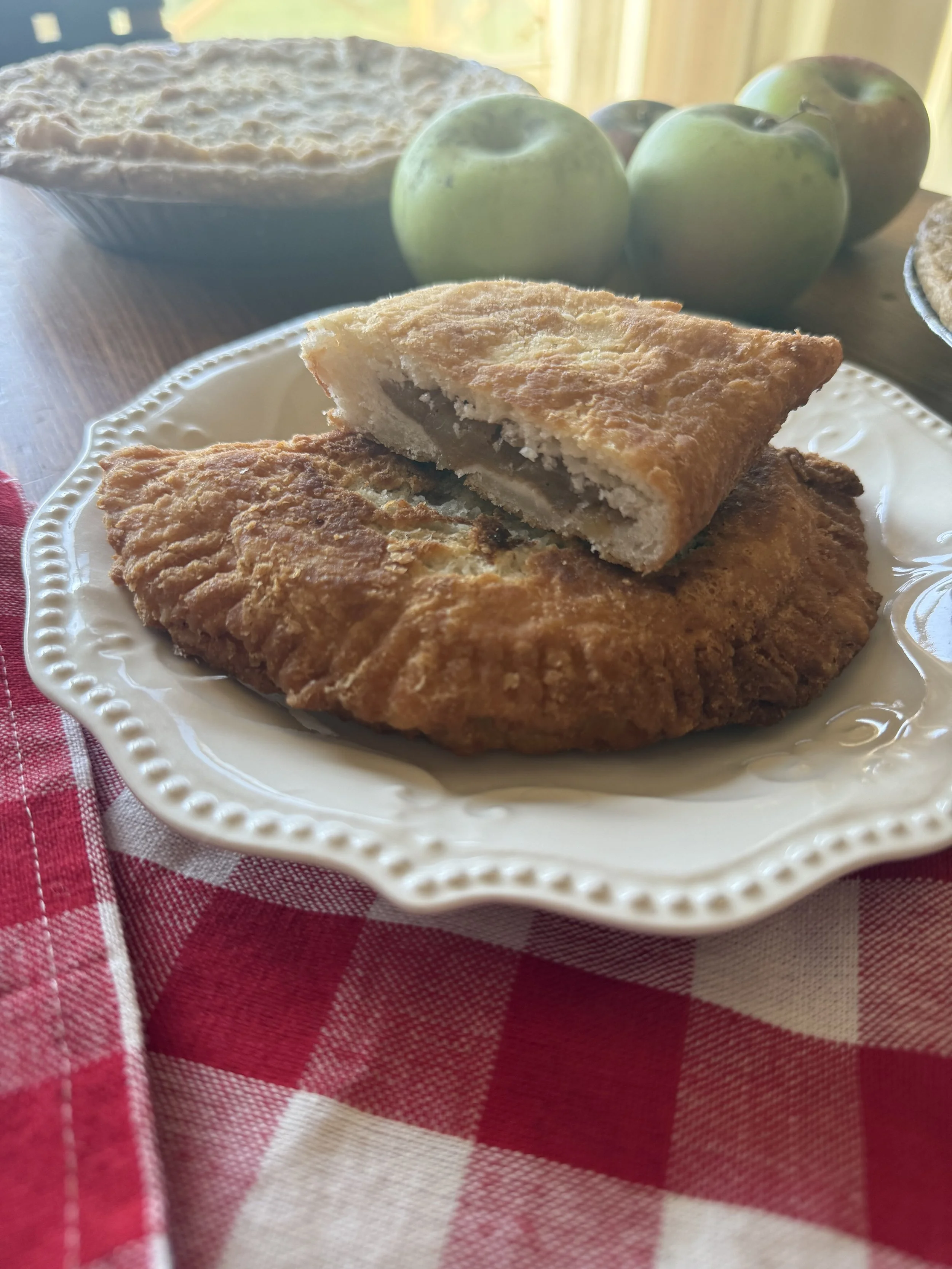
My grandmother never wrote down her fried apple pie recipe. Of course she didn’t. Southern grandmothers rarely measured anything worth eating. She used dried Hackworth apples from the tree in her backyard, cut Crisco into White Lily flour until it “looked right”, and poured in buttermilk until the dough “felt right”. Then she fried those little half-moons in a cast-iron skillet until they were blistered, golden, and entirely too hot to bite—though somebody always tried.
These old-fashioned Southern fried apple pies are my fresh-apple version of hers. I used a mix of Gala, Jonathan, and Granny Smith apples: Gala for sweetness, Jonathan for that deep old-fashioned apple flavor, and Granny Smith to keep the whole business from becoming syrupy sweet. The apples cook down into a thick, spoonable filling, and the homemade buttermilk dough fries up crisp at the edges, tender inside, and sturdy enough to hold every bite.
They are not dainty little bakery hand pies, and thank goodness for that. They are big, golden, flaky, skillet-fried country pies—the kind that leave a little flour on the counter, make the kitchen smell like somebody’s childhood, and disappear before the grease has fully cooled in the skillet.
Why You’ll Love This Recipe
• The dough is homemade, but it’s simple: White Lily self-rising flour, Crisco vegetable shortening, and buttermilk.
• Fresh apples make the recipe easy to cook in apple season, without losing its old-fashioned character.
• The filling is cooked thick before assembly, so the pies are less likely to leak or burst.
• A cast-iron skillet gives the crust those deeply golden, crisp, flaky edges.
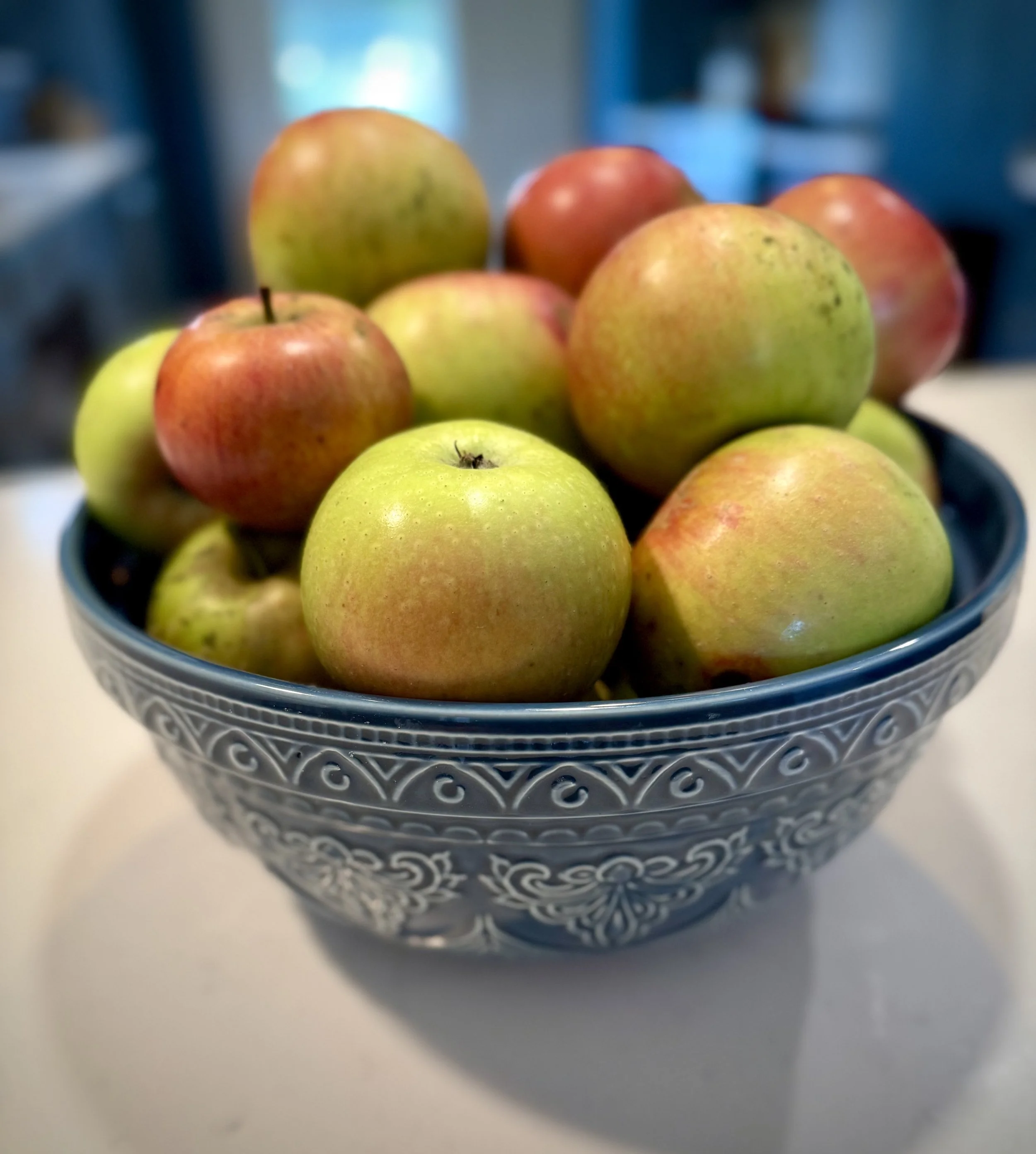
A mix of sweet and tart apples gives the filling better flavor than one variety alone.
The Best Fresh Apples for Fried Pies
For the best filling, use more than one kind of apple. My combination was Gala, Jonathan, and Granny Smith. If you cannot find Jonathan apples, choose another flavorful cooking apple, but keep at least one tart variety in the mix. The goal is a filling that tastes distinctly of apple—not simply cinnamon and sugar.
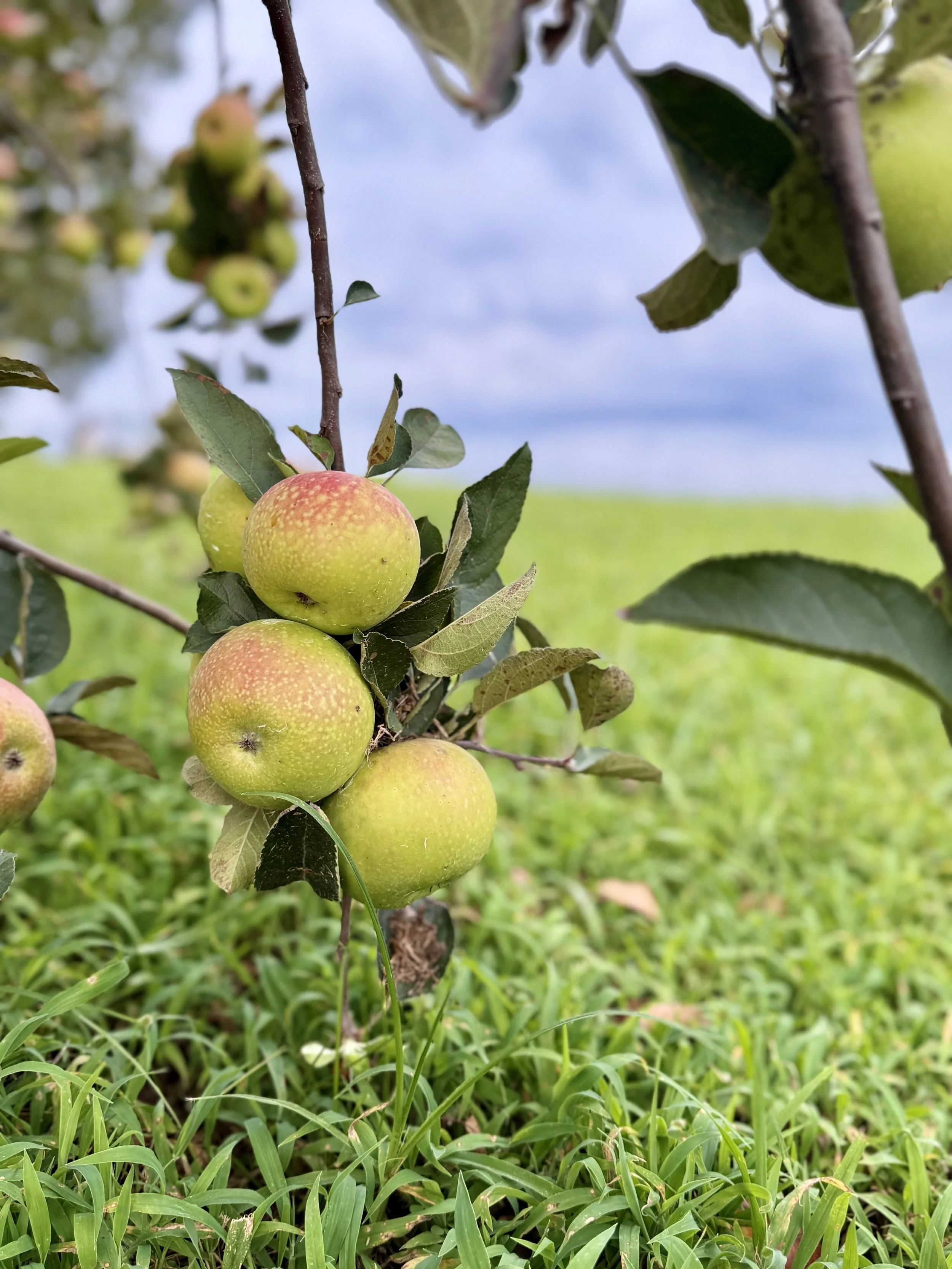
A mix of sweet and tart apples give this filling the best flavor-these Gala apples growing on this tree taste like sun-ripened heaven.
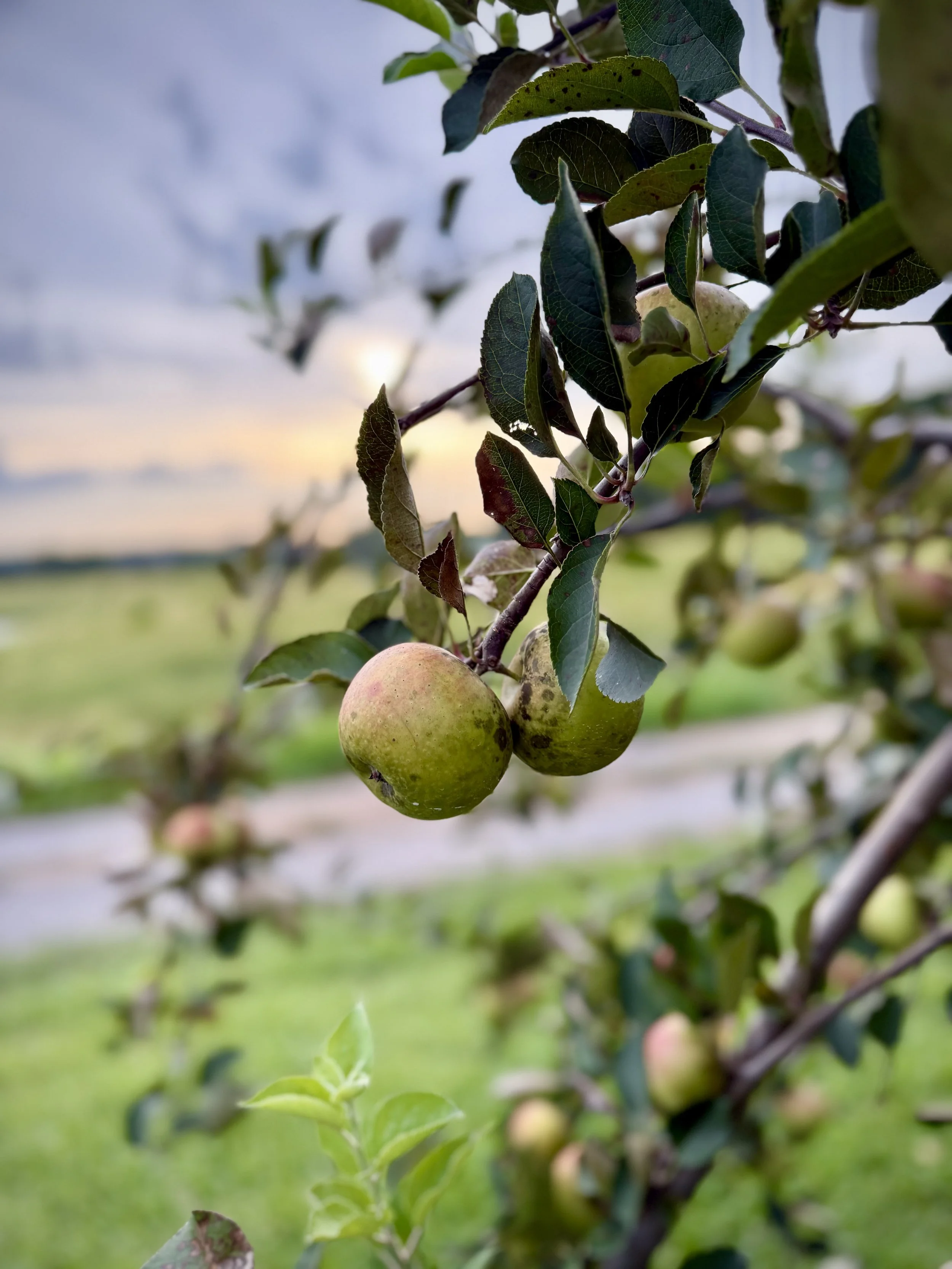
Early fall means apple picking season-and once these Jonathan apples start blushing on the branches, I’m already thinking about pies going in the skillet.
Grandmother’s Dried Apples vs. My Fresh-Apple Filling
My grandmother used dried Hackworth apples, which naturally made a darker, more concentrated filling. Fresh apples contain much more water, so they need to be finely chopped and cooked down until the pan looks almost dry. The finished filling should mound on a spoon. If it runs, it is not ready for pie dough yet.
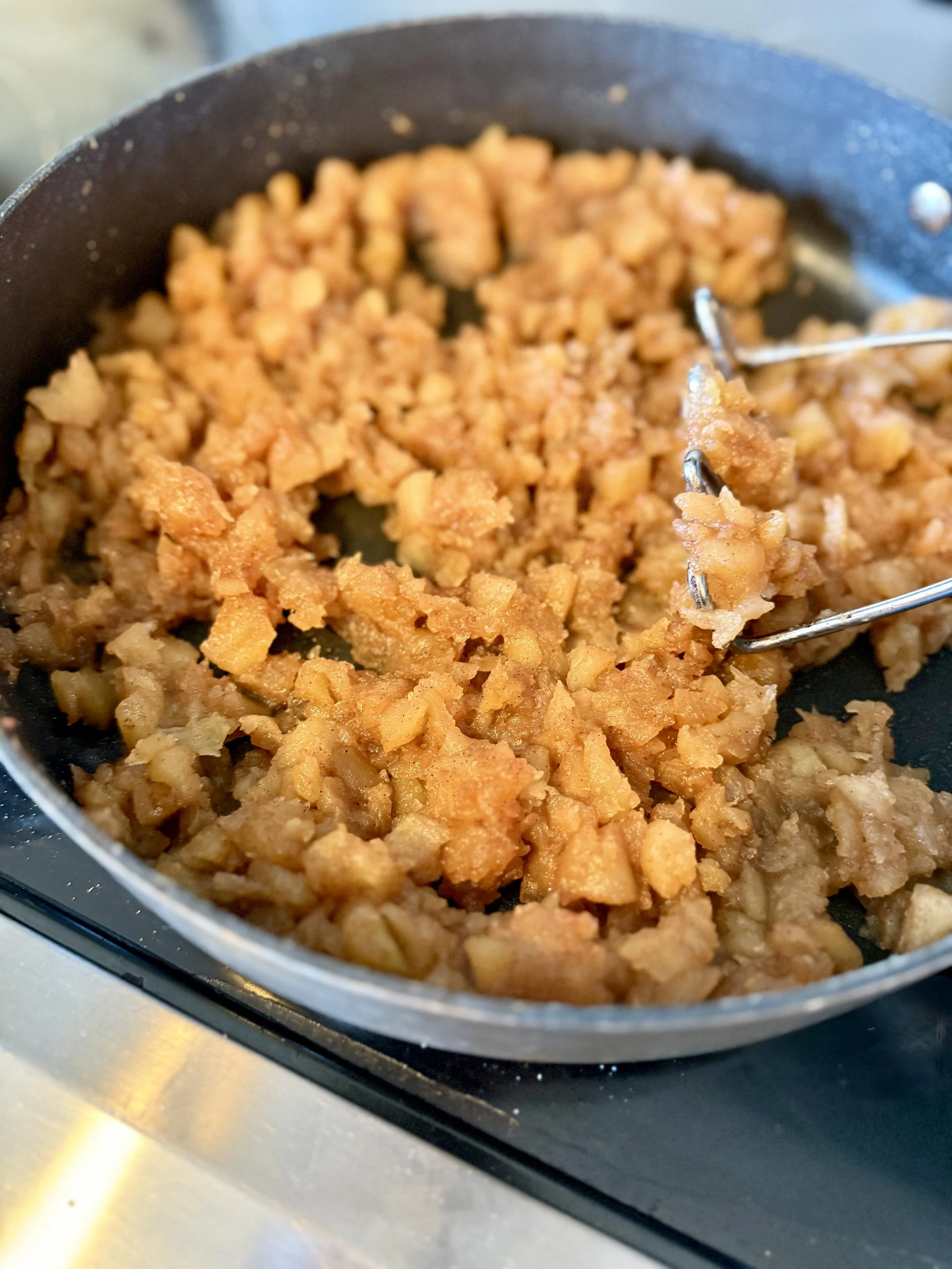
Fresh Apples make a thick filling but won’t be as dark as Grandma’s dried apples. These are ready to mound on pie dough!
Old-Fashioned Southern Fried Apple Pies
Ingredients
Fresh Apple Filling
• 3 cups peeled, finely chopped fresh apples (a mix of Gala, Jonathan, and Granny Smith)
• 3 tablespoons granulated sugar
• 1 tablespoon packed brown sugar
• 1 tablespoon butter
• ½ teaspoon ground cinnamon
• Pinch of salt
• 1 tablespoon water
• ¼ teaspoon vanilla extract
Homemade Buttermilk Dough
• 2 cups White Lily self-rising flour or White Lily self-rising biscuit mix, plus more for rolling
• ⅓ cup vegetable shortening, preferably Crisco
• ½ to ⅔ cup cold buttermilk, as needed
For Frying
• Vegetable shortening or neutral frying oil, enough to reach about 1 inch deep in the skillet
Instructions
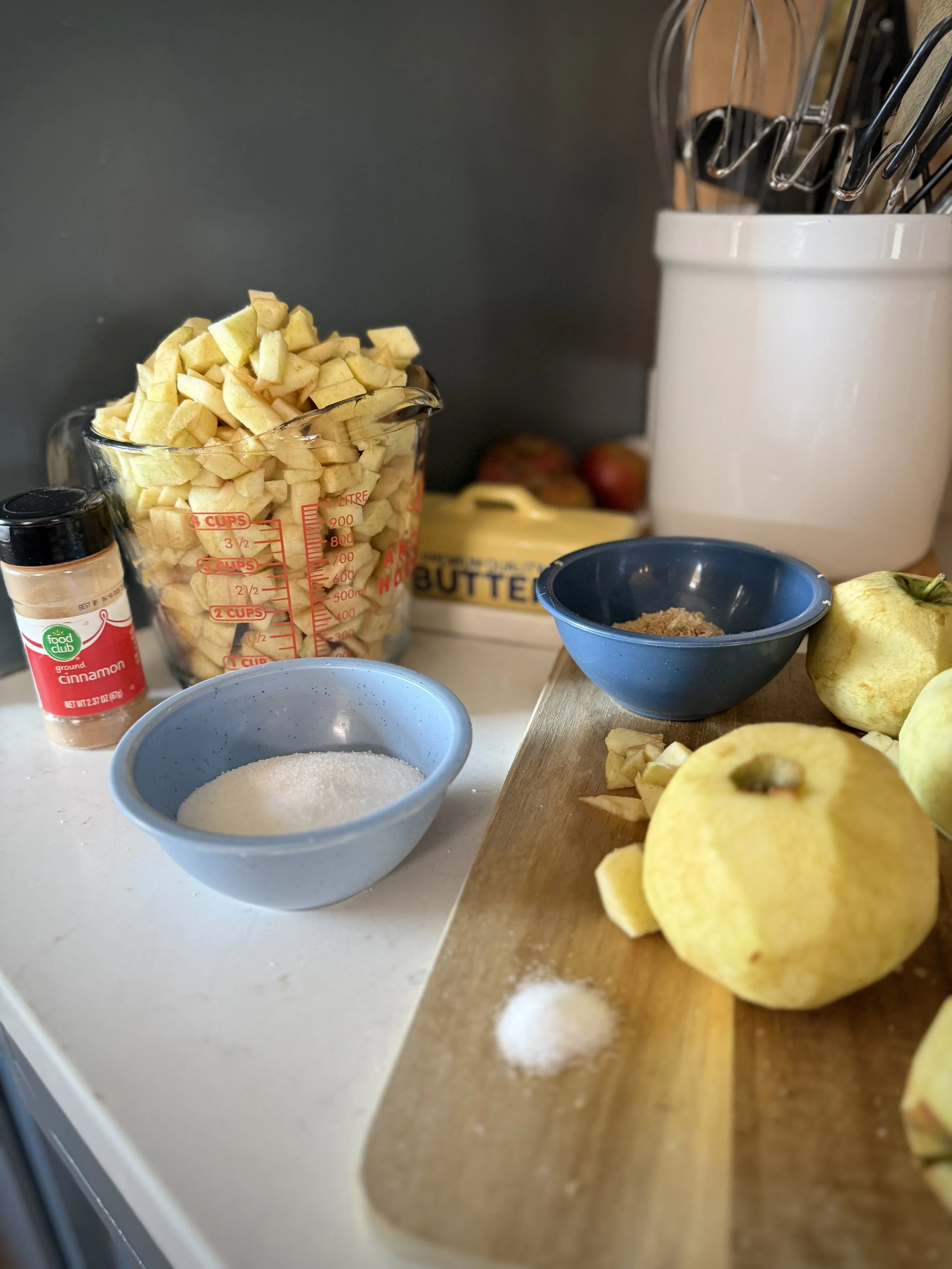
The whole cast of characters ready to hit the skillet and become the kind of apple filling you’ll be tempted to eat with a spoon.
1. Cook the apples. Combine the chopped apples, granulated sugar, brown sugar, butter, cinnamon, salt, and water in a heavy skillet or saucepan. Cook over medium to medium-low heat, stirring often, until the apples are very tender and the liquid has cooked away, about 12–18 minutes. Mash some of the apples as they soften, leaving a few small pieces for texture. Remove from the heat and stir in the vanilla.
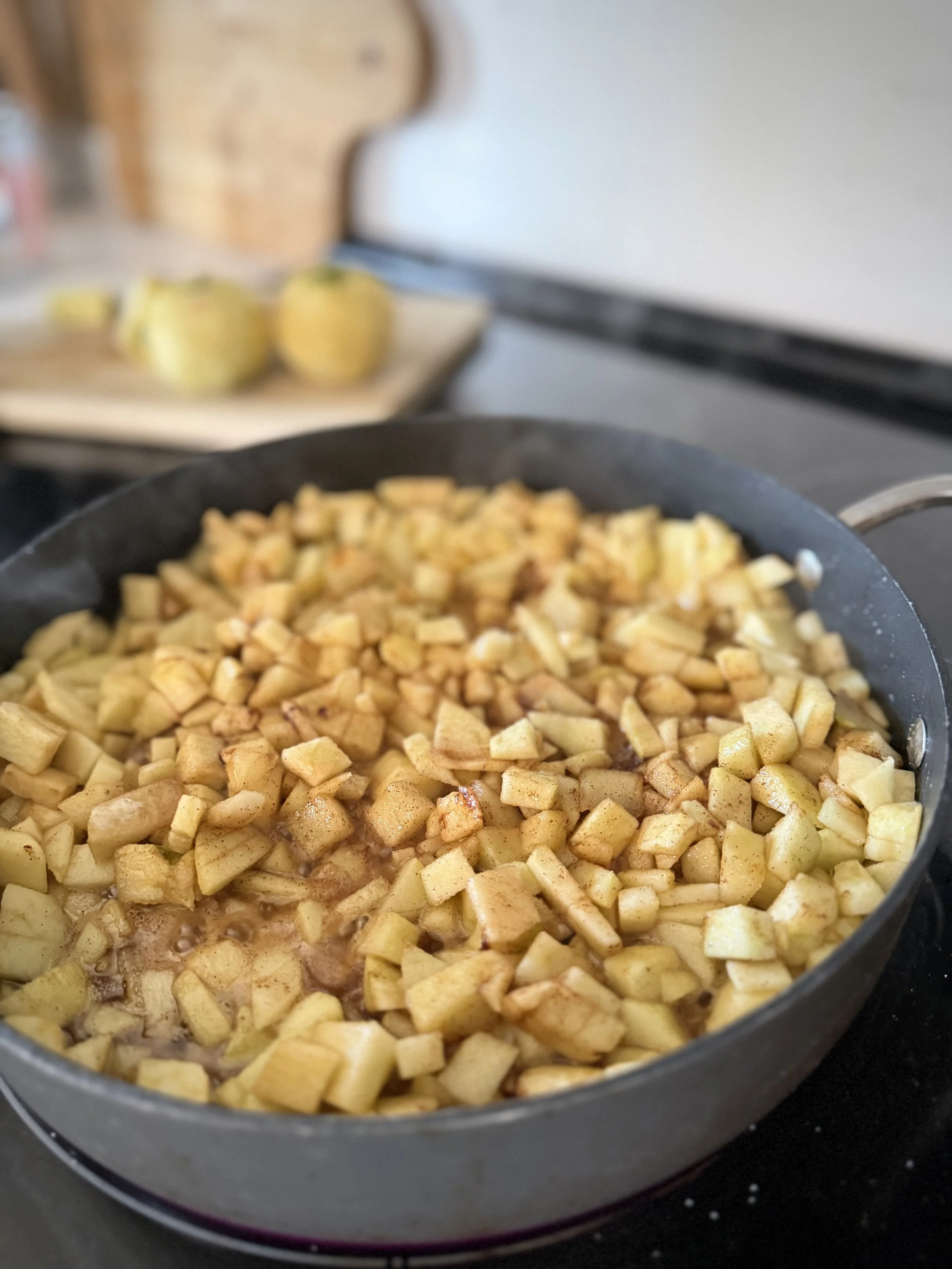
Dice your apples into 1/4 inch pieces. Larger pieces can keep the pies from sealing properly, and nobody wants an apple-pie blowout in the skillet.
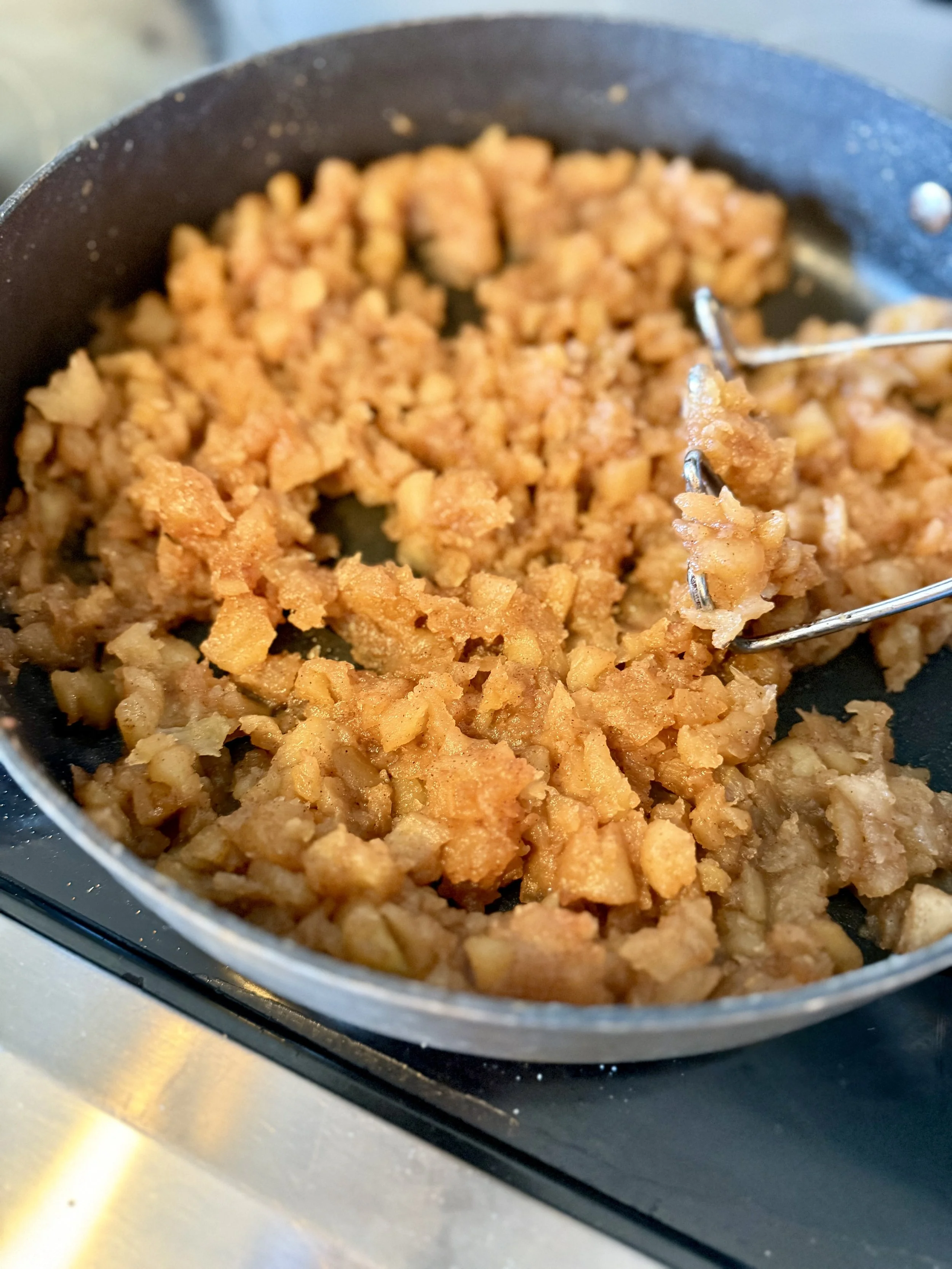
Cook the apples until the extra moisture is gone and the filling mounds on a spoon.
2. Cool the filling completely. Spread the filling on a plate or shallow dish so it cools faster. Do not put warm filling inside the dough; warm, wet filling is how fried pies split open and show out in the skillet.
3. Make the dough. Place the self-rising flour in a bowl. Cut in the shortening with a pastry blender, fork, or your fingertips until the mixture is crumbly, with small pea-size bits remaining. Add ½ cup buttermilk and stir gently. Add more buttermilk a tablespoon at a time, only until the dough comes together. It should feel like biscuit dough, but slightly firmer and less sticky.
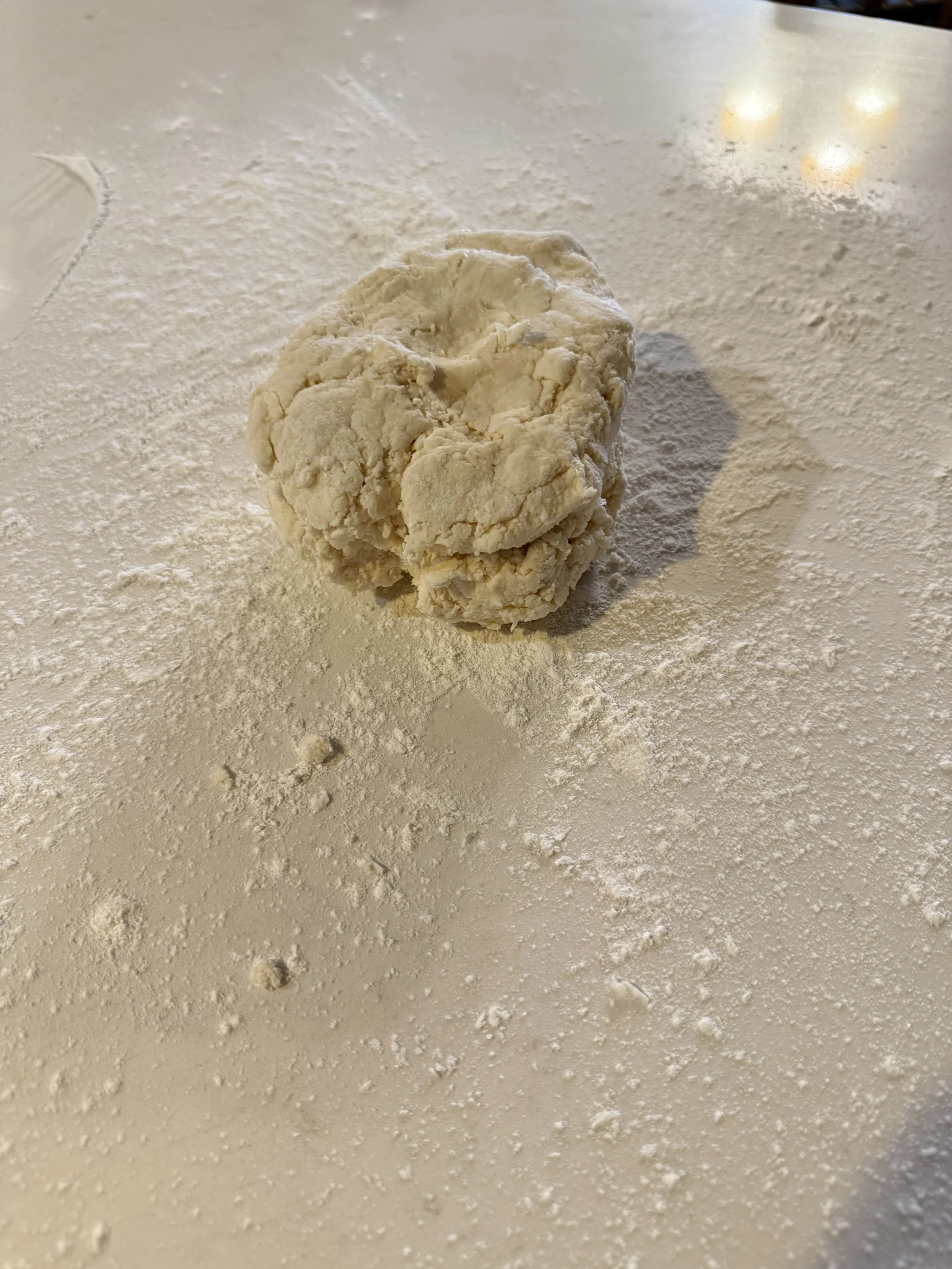
A glorious lump of biscuit dough may not be much to look at now, but it’s headed for apple pie glory.
4. Divide and roll. Turn the dough onto a generously floured surface and bring it together without kneading it to death. Divide into 8 equal pieces. Roll each piece into a circle about 6 inches across and roughly ⅛ inch thick.
5. Fill and seal. Place about 2 tablespoons of cooled filling on one half of each circle, leaving a ½-inch clean border. Fold the dough over to form a half-moon. Press out excess air, pinch the edges closed, and crimp firmly with a floured fork.
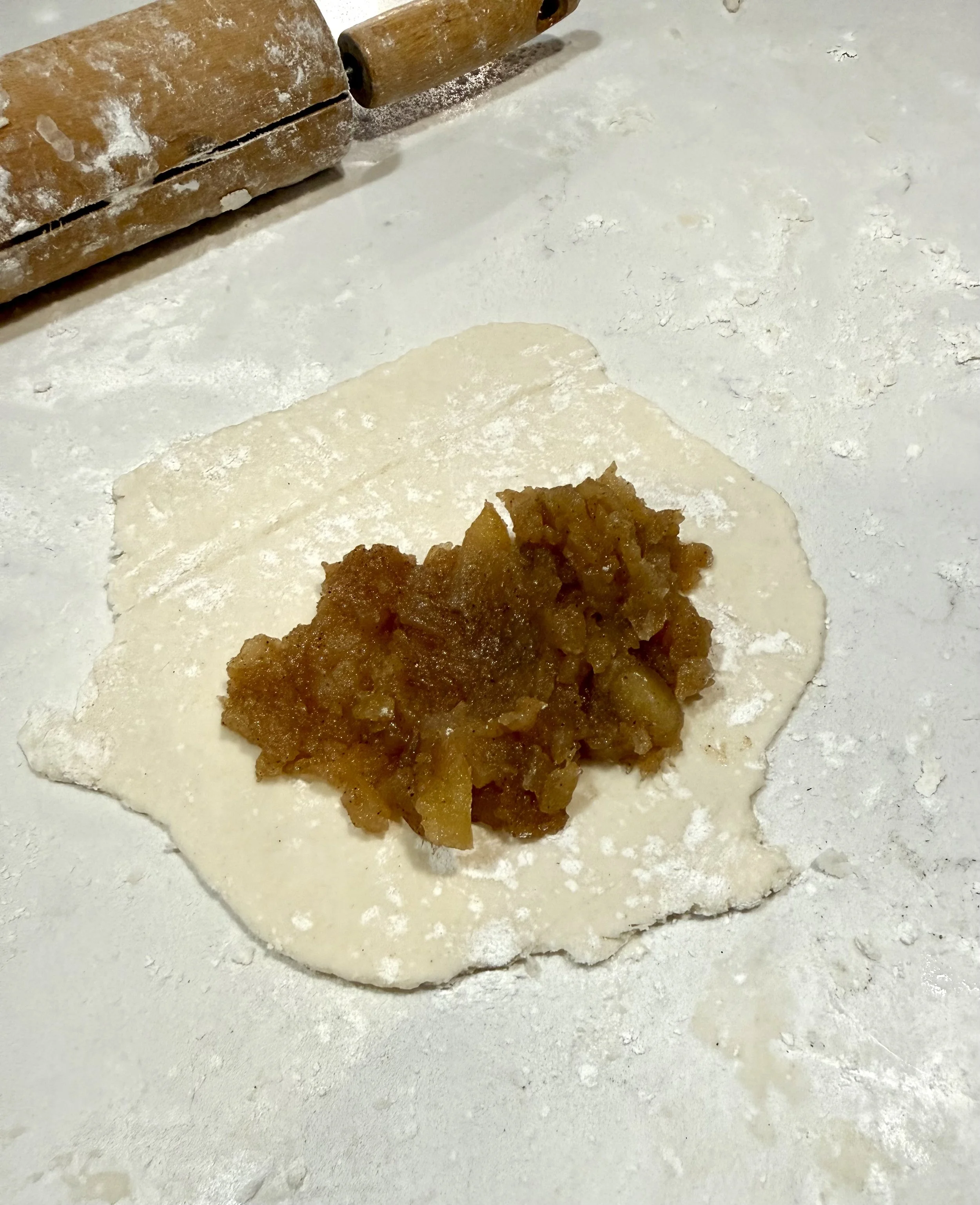
Trim any ragged dough edges with a knife, leaving an even border around the apple filling so the pie folds and seals neatly.
6. Heat the skillet. Heat about 1 inch of shortening or oil in a cast-iron skillet to 350°F. If the oil is too cool, the dough drinks grease; too hot, and the outside burns before the crust cooks through.
7. Fry the pies. Lower 2 or 3 pies into the hot fat without crowding the skillet. Fry for about 1½–2 minutes per side, flipping once, until deeply golden brown. Adjust the heat as needed to keep the oil near 350°F.
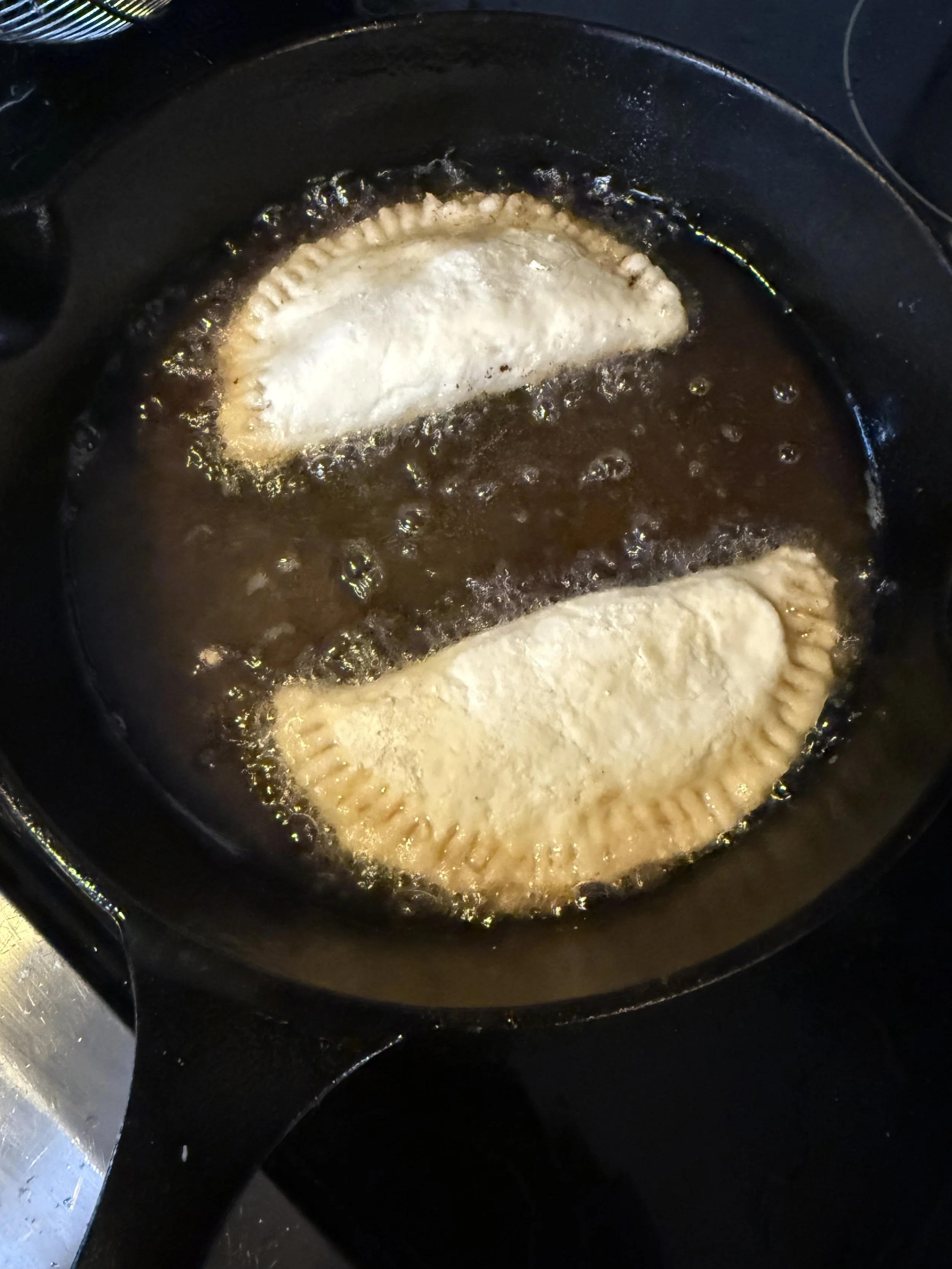
Fry the pies in hot oil, turning once, until golden brown on both sides.
8. Drain and try to behave. Transfer the pies to a wire rack set over a sheet pan, or to a paper-towel-lined plate. Let them cool at least 10 minutes. The filling holds heat like a bad grudge, so biting one straight from the skillet is a poor—but very Southern—life choice.

Grandma's Homemade Southern Fried Apple Pies
Grandma's Southern fried apple pies are filled with tender, cinnamon-spiced fresh apples, tucked in side flaky buttermilk biscuit dough, and fried until golden and crisp.
Ingredients
Instructions
- Cook the apples. Combine the chopped apples, granulated sugar, brown sugar, butter, cinnamon, salt, and water in a heavy skillet or saucepan. Cook over medium to medium-low heat, stirring often, until the apples are very tender and the liquid has cooked away, about 12–18 minutes. Mash some of the apples as they soften, leaving a few small pieces for texture. Remove from the heat and stir in the vanilla.
- Cool the filling completely. Spread the filling on a plate or shallow dish so it cools faster. Do not put warm filling inside the dough; warm, wet filling is how fried pies split open and show out in the skillet.
- Make the dough. Place the self-rising flour in a bowl. Cut in the shortening with a pastry blender, fork, or your fingertips until the mixture is crumbly, with small pea-size bits remaining. Add ½ cup buttermilk and stir gently. Add more buttermilk a tablespoon at a time, only until the dough comes together. It should feel like biscuit dough, but slightly firmer and less sticky.
- Divide and roll. Turn the dough onto a generously floured surface and bring it together without kneading it to death. Divide into 8 equal pieces. Roll each piece into a circle about 6 inches across and roughly ⅛ inch thick.
- Fill and seal. Place about 2 tablespoons of cooled filling on one half of each circle, leaving a ½-inch clean border. Fold the dough over to form a half-moon. Press out excess air, pinch the edges closed, and crimp firmly with a floured fork.
- Heat the skillet. Heat about 1 inch of shortening or oil in a cast-iron skillet to 350°F. If the oil is too cool, the dough drinks grease; too hot, and the outside burns before the crust cooks through.
- Fry the pies. Lower 2 or 3 pies into the hot fat without crowding the skillet. Fry for about 1½–2 minutes per side, flipping once, until deeply golden brown. Adjust the heat as needed to keep the oil near 350°F.
- Drain pies. Transfer the pies to a wire rack set over a sheet pan, or to a paper-towel-lined plate. Let them cool at least 10 minutes.
Nutrition Facts
Calories
252Fat
11 gSat. Fat
3 gCarbs
35 gFiber
2 gNet carbs
33 gSugar
11 gProtein
4 gSodium
18 mgCholesterol
4 mg
Frequently Asked Questions
Can I make the apple filling ahead? Yes. Cook and cool it, then refrigerate it in a covered container for up to 3 days. Cold filling is actually easier to work with.
Why did my fried pies open in the skillet? The usual causes are warm or watery filling, too much filling, flour caught in the seam, or edges that were not crimped firmly enough.
Can I use dried apples? Absolutely. Dried apples make the darker, more concentrated filling my grandmother used. Simmer them until tender, sweeten and spice them to taste, then cook until thick and cool completely before filling the dough.
Can I use canned biscuits or pie crust? You can, but they will not taste like these. The homemade buttermilk dough is what gives this recipe its old-fashioned Southern character.
What size should the dough circles be? About 6 inches across and ⅛ inch thick. That makes a generous country-style hand pie while leaving enough dough to seal securely.
A Recipe Worth Measuring—and Remembering
Writing this recipe down feels a little funny, because my grandmother did not need cups and spoons to make it. She knew the sound of hot shortening, the feel of biscuit dough, and exactly when cooked apples were thick enough. But that is precisely why old recipes deserve to be recorded. “A little of this” and “enough of that” can disappear in one generation if somebody does not stand beside the bowl, pay attention, and write it down.
So this is my measured version of her fried apple pies: fresh Alabama-season apples in place of her dried Hackworth apples, but the same White Lily self-rising flour, Crisco shortening, buttermilk, cast iron, and good sense. They are not perfectly shaped. They are better than that. They taste like home.
If you make them, leave me a comment and tell me who made fried pies in your family. And save this recipe to Pinterest—because a good grandmother recipe should never get lost again.